
Women’s Sport on the Rise: How Broadcasters and Brands Found a New Growth Engine
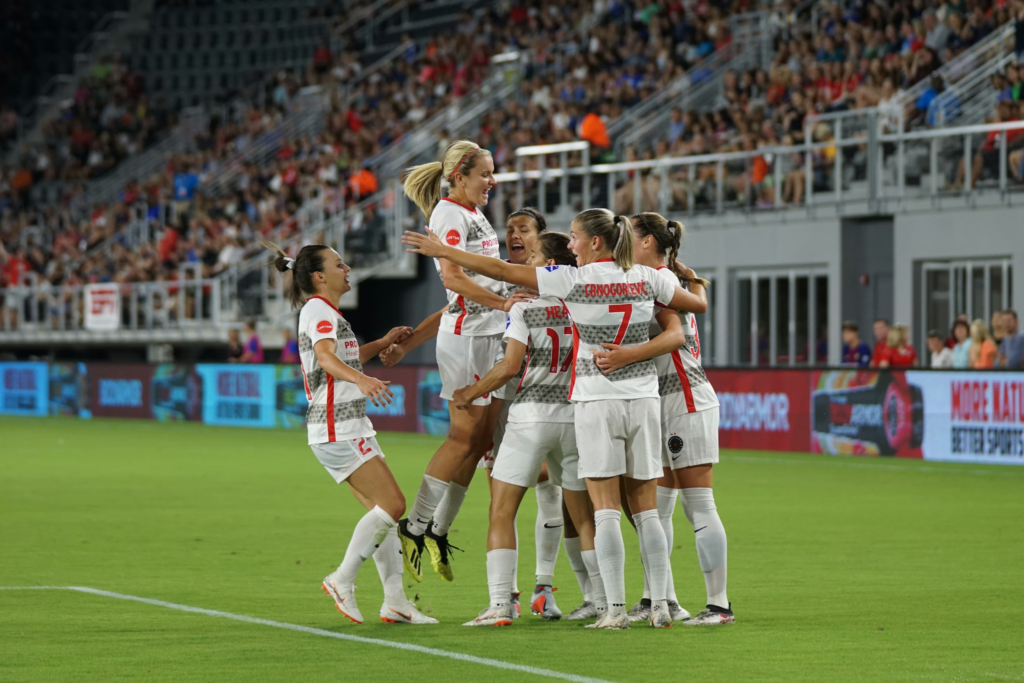
Ratings charts that once revolved around men’s leagues now tell a broader story. Prime-time windows fill with women’s soccer, cricket, basketball, and mixed-gender esports. Tournament attendance climbs, social-media followings accelerate, and sponsors formerly fixated on established male stars race to sign emerging female talent. In multiple regions, women’s competitions deliver year-over-year audience gains that outpace every other programming category.
Streaming platforms notice the trend first. A service that already promoted casual titles such as the fortune gems 2 game recently announced a dedicated row for women’s sport, betting that highlight packages and behind-the-scenes series will convert curious gamers into regular viewers. Similar moves by cable networks, news outlets, and apparel giants underscore an industry consensus: inclusion now drives both reach and revenue.
Surfacing Demand That Always Existed
Until recently, many executives argued that women’s competitions lacked a sizable fan base. Ticket data now disproves the assumption. The 2023 FIFA Women’s World Cup set attendance records, while the Women’s Six Nations rugby tournament doubled television hours across Europe. These breakthroughs reflect structural improvements such as prime stadium bookings, professional contracts, and full-time training staff. Better conditions translate into higher skill levels, which in turn draw more spectators.
Turning Points That Unlocked Commercial Momentum
- Accessible live streams
Lower production costs let niche federations broadcast matches directly to phones, bypassing traditional gatekeepers. - Social-media storytelling
Players share training routines and community projects, humanising rosters and inspiring new supporters. - Data-driven scheduling
Broadcasters slot marquee fixtures away from competing events, maximising ratings rather than crowding calendars. - Corporate diversity pledges
Brands allocate marketing budgets toward women’s sport to meet internal equity targets and audience expectations. - Integrated youth pathways
Grass-roots academies channel talent into professional clubs, ensuring competitive depth and local loyalty.
The compounding effect of these factors shifts perception. Where sponsors once asked for proof of returns, executives now fear missing early stakes in leagues poised for exponential growth.
Media Economics Rearranged
Rights fees for top women’s leagues still trail men’s counterparts but grow faster in percentage terms. This dynamic creates a sweet spot for broadcasters: modest upfront investment coupled with robust engagement metrics. Streaming services hungry for exclusive content sign multiyear packages, giving federations financial certainty to expand seasons, add teams, and improve health care benefits.
Advertisers reap brand-safety advantages as well. Coverage often focuses on athletic excellence, teamwork, and community impact rather than off-field controversies. Viewers respond with higher trust scores, which translate into better recall of sponsor messages. Research groups report that audiences perceive companies supporting women’s sport as forward-thinking and socially aware.
Strategic Opportunities for Stakeholders
- Bundled rights packages
Selling men’s and women’s competitions together encourages equal promotion while simplifying negotiations. - Original documentary content
Streaming platforms can extend engagement by chronicling preseason camps, draft nights, and recovery journeys. - Hybrid event experiences
Double-header game days introduce fans of one league to the other, lifting total gate revenue. - Merchandise diversification
Apparel lines designed with athlete input resonate better with both female and male consumers. - Regional talent hubs
Investment in scouting combines local identity with global distribution, expanding fan maps beyond traditional powerhouses.
Placing this second list well after the first maintains article flow and mirrors the industry’s shift from identifying growth signals to executing concrete plans.
Cultural Influence and Social Impact
Coverage of women’s sport alters norms by showcasing varied leadership styles, body types, and career paths. Young audiences see possibilities beyond limited stereotypes, while established fans appreciate fresh tactical narratives. Commentators highlight different pacing, decision-making, and team dynamics, enriching the overall understanding of each sport’s nuances.
Community programs linked to professional clubs funnel resources into school fields and after-class clinics. The feedback loop strengthens local ecosystems: aspiring athletes gain role models, municipalities justify facility upgrades, and clubs cultivate loyal crowds who feel emotionally invested.
Challenges That Still Require Attention
Pay gaps remain significant, medical research often overlooks female physiology, and media outlets sometimes resort to stereotypical imagery. Addressing these issues demands coordinated action: collective bargaining agreements, inclusive study cohorts, and editorial guidelines that emphasize athletic performance over superficial traits. Progress, while notable, has room to accelerate.
Conclusion
Women’s sport transitions from an under-served niche to powerhouse growth sector because technology removed visibility barriers, business metrics validated demand, and cultural priorities shifted toward broader representation. Networks, sponsors, and fans who engage early capture outsized returns as leagues professionalize and international calendars expand. Sustained success will hinge on continued investment in facilities, fair compensation, and balanced storytelling. With those elements in motion, women’s competitions are set not only to share the global stage but to redefine its dimensions for generations to come.